


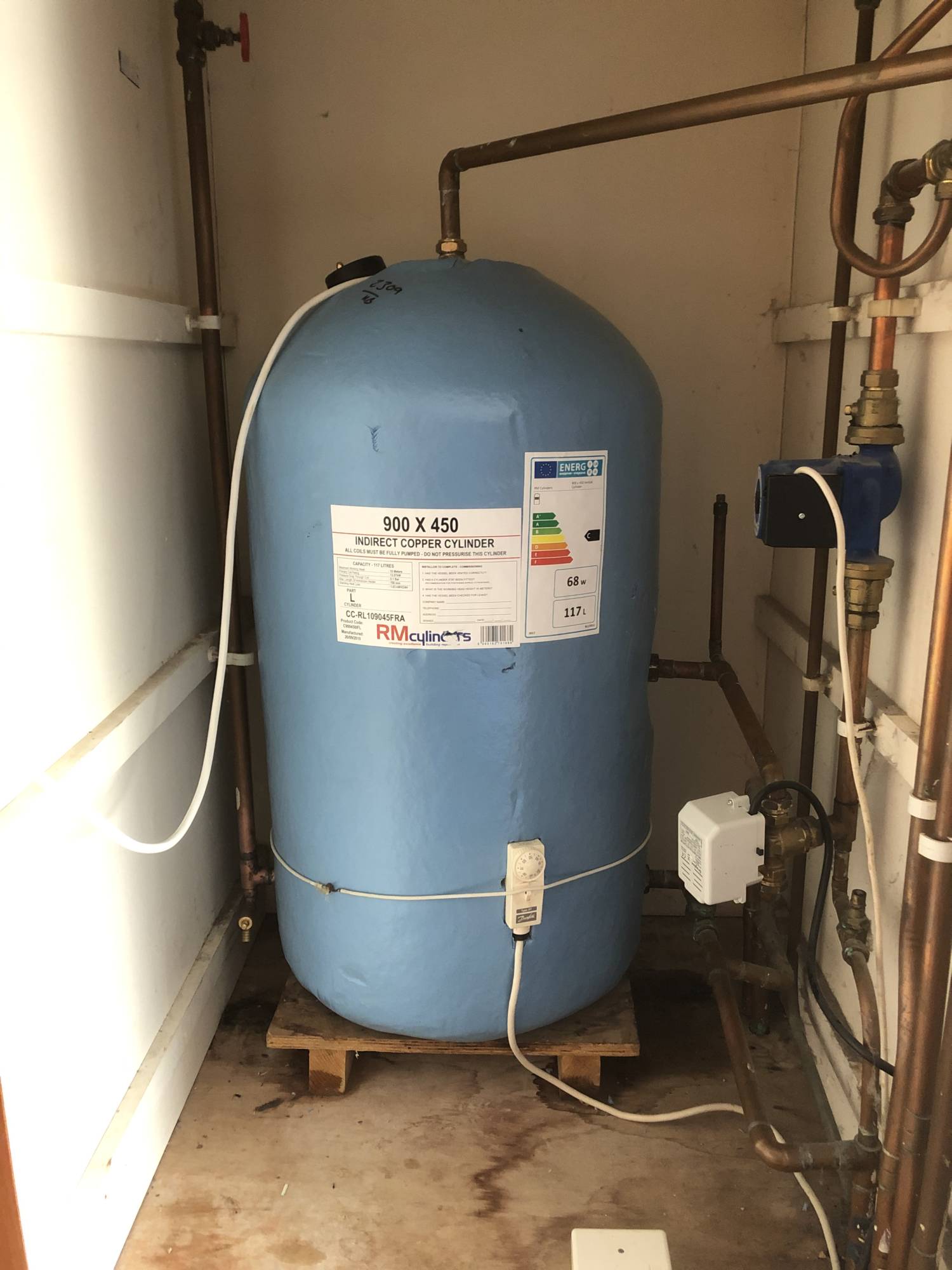
Why Boilers Installed Before 2005 Are Costing You More Than You Think?
If your boiler was installed before 2005, it might be doing more harm than good. These outdated systems are not only less efficient but also costlier to run, less safe, and harmful to the environment. With energy prices continuing to rise in the UK, sticking to an old boiler could mean you’re paying hundreds of pounds more every year than you should.
In this guide, we’ll explore the main disadvantages of old boilers, and why upgrading under the ECO4 boiler scheme could save you money while making your home warmer and safer.
1. poor Energy Efficiency
Boilers manufactured before 2005 are usually non-condensing models, which are far less efficient than modern condensing boilers.
- Old boilers waste up to 30–40% of the heatthey generate.
- New condensing boilers can achieve 90%+ efficiency, meaning you use less gas for the same amount of heat.
2. Increased Carbon Emissions
Because older boilers burn more fuel, they also release more carbon emissions , making them harmful to the environment. With the UK government pushing for net zero targets, households with older boilers are contributing more than their fair share of pollution.
3. Frequent Breakdowns and Expensive Repairs
An old boiler often means frequent breakdowns, leaks, and noisy operation. Not only is this inconvenient, but repairs are costly.
- Average boiler repair costs: £150–£500depending on the fault.
- Replacement parts for old boilers are harder to find, which increases repair times and costs.
Instead of wasting money on repeated fixes, upgrading could be more cost-effective long term.
4. Safety Risks
Older boilers are at higher risk of gas leaks and even carbon monoxide (CO) poisoning , which can be life-threatening if undetected.
5. Non-Compliance with Current Regulations
Modern boilers are built to meet strict energy-efficiency and safety standards. Boilers installed before 2005 generally don’t comply with today’s building regulations.
If you plan to sell or rent your property, an outdated boiler could lower your EPC (Energy Performance Certificate) rating, reducing your home’s value.
6. Lower Property Value
A home with an outdated heating system is less attractive to buyers. Many new homeowners prefer energy-efficient properties because they come with lower running costs.
This means keeping your old boiler could negatively impact your property’s resale value.
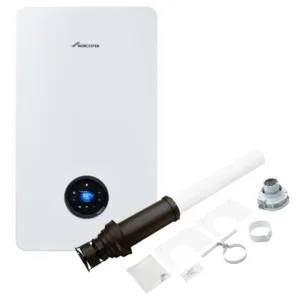
The Smart Move: Upgrade Under the ECO4 Scheme
The UK government’s ECO4 Scheme is designed to help households replace old, inefficient boilers.
- If you qualify, you could get a free boiler replacementor a heavily subsidised upgrade.
- ECO4 is targeted at households with low income or receiving certain benefits.
- Upgrading means lower bills, safer heating, and a greener home.
Benefits of upgrading:
- Lower energy bills.
- Safer, modern heating system.
- More eco-friendly home.
- Increased property value.
Comparison: Old Boilers vs. New Boilers
| Feature | Old Boiler (Pre-2005) | Modern Condensing Boiler |
| Efficiency | 60–70% | 90–95% |
| Annual Running Costs | £1,000+ | £600–£700 |
| Emissions | High | Low (eco-friendly) |
| Repairs | Expensive, frequent | Minimal |
| Safety | Higher CO risk | Built-in safety features |
| Regulations | Non-compliant | Meets modern standards |
Check today if you qualify for a free boiler replacement under the ECO4 Scheme
Apply Now With Majesty Homes!
Yes. Households typically save £300–£500 per year on energy bills when upgrading from an old boiler to a modern condensing model.
A standard replacement usually takes 1–2 days depending on your system and property.
A typical boiler lasts 12–15 years. Anything older than that is inefficient and costly to maintain.
Yes, if you qualify under the UK government’s ECO4 Scheme.
Repairs may solve short-term issues, but if your boiler is over 15 years old, replacing it is more cost-effective.
Check the boiler’s installation date on the manufacturer’s plate or ask a Gas Safe engineer.